
Even the most carefully chosen fabrics benefit from thoughtful care. While the structure of a textile determines much of its performance, everyday habits can either protect or weaken that structure over time.
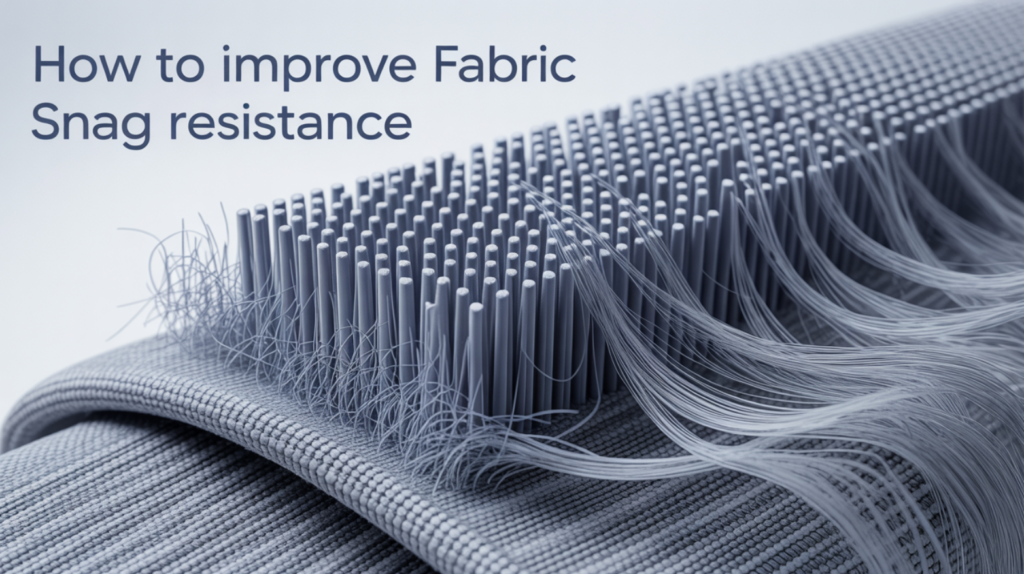
Improving snag resistance is often less about changing the fabric itself and more about how it is treated in the world.
Understanding Where Snags Begin
Snags rarely appear without warning. They form when surface threads experience repeated stress from friction, sharp contact, or rough handling. Over time, these small disturbances accumulate, leaving the fabric vulnerable.
This vulnerability is most visible in materials that naturally attract surface pulls, where even careful use may not fully prevent damage.
Habits That Protect Fabric Surfaces
Gentle handling preserves surface order. Turning garments inside out before washing reduces friction. Separating rough fabrics from delicate ones prevents aggressive contact. Using protective laundry bags shields sensitive materials from harsh mechanical movement.
The type of fabric being protected plays a major role in how effective these habits become, especially when selecting from the best fabrics for snag-resistant clothing in everyday wear.
These simple actions reduce the constant micro-stress that slowly weakens surface threads.
Environmental Factors That Influence Snagging
Beyond handling, the surrounding environment plays a role. Jewelry, textured bags, and rough furniture edges often create the sudden catches that start visible snags. Awareness of these interactions helps prevent damage before it appears.
Emotional Value of Preventive Care
There is a quiet satisfaction in watching clothing and furnishings age gracefully. When fabrics remain intact, the space around them feels calmer, more stable, and more comfortable. This sense of ease emerges not from perfection, but from small habits repeated consistently.
Household environments create different stress patterns, which is why applying these techniques to snag-resistant upholstery fabrics further extends their lifespan.
Closing Thought
Improving snag resistance is an ongoing conversation between fabric and environment. With mindful care, that conversation becomes one of cooperation rather than conflict, allowing materials to maintain their beauty long after they enter daily life.