
Some fabrics seem to invite damage no matter how carefully they are handled. A sleeve catches, a thread lifts, and suddenly the surface tells a new story.
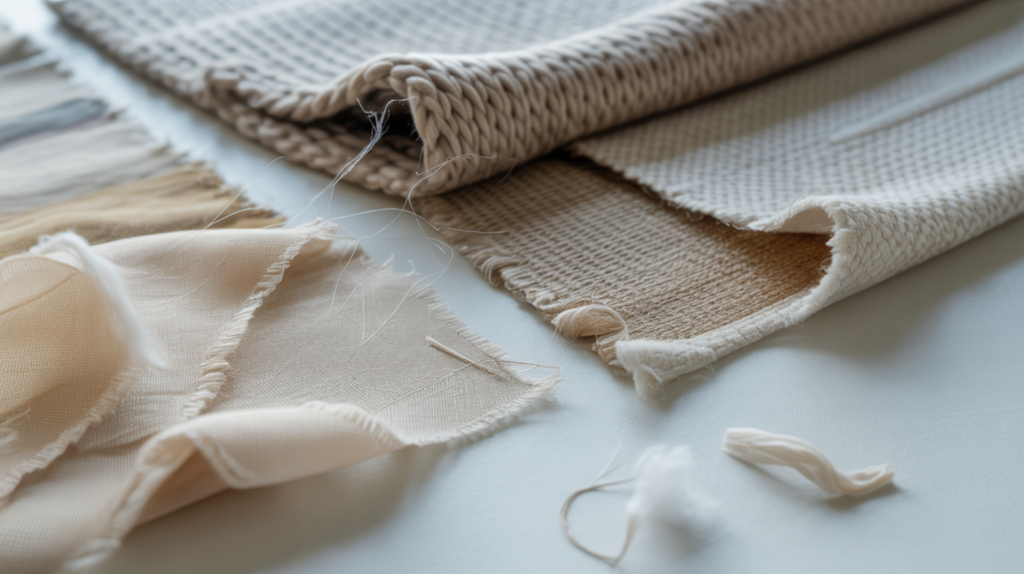
This behavior is not random. It is written into the fabric long before it ever becomes clothing or upholstery.
Why Certain Fabrics Attract Snags
Snag-prone fabrics share one quiet weakness: surface instability. Their threads sit loosely, move freely, and respond dramatically to tension. When contact occurs, those threads do not settle back into place. They rise, loop, and remain visible.
Loose knits, long filament fibers, decorative weaves, and open constructions all create space where hooks and edges can easily interfere with surface order.
Materials That Commonly Struggle with Snagging
Delicate synthetics, loosely spun wool, chiffon, silk, and open-knit garments often display this behavior. Even thick fabrics can suffer when their surface threads lack internal support. Thickness alone does not protect against snags. Structure does.
This becomes clear when comparing how these materials behave against fabrics designed for surface stability, where thread cooperation dramatically improves long-term appearance.
How Environment Exposes Fabric Weakness
Snag-prone fabrics reveal their limits quickly. Jewelry, textured furniture, rough surfaces, and everyday motion all place stress on exposed threads. The more often these interactions occur, the faster the damage accumulates.
Understanding these patterns also explains why proper care can reduce but never fully eliminate the risk, especially in environments that constantly test the surface.
Emotional Impact of Snagging
People often feel disappointment when a favorite garment begins to unravel visually. That feeling comes from the contrast between expectation and reality. The fabric promised beauty, but its structure could not support that promise.
Many of these vulnerabilities become visible long before products reach consumers, which is why reviewing how fabrics are evaluated for snag resistance offers valuable perspective.
Closing Reflection
Snag-prone fabrics are not flawed; they are simply honest about their limits. When those limits are understood, choices become wiser, care becomes gentler, and the relationship between person and material grows calmer.