
Behind every fabric that performs well under daily use lies a quiet process of testing. Before materials ever reach clothing racks or furniture showrooms, they are subjected to controlled stress designed to reveal how they behave when real life begins.
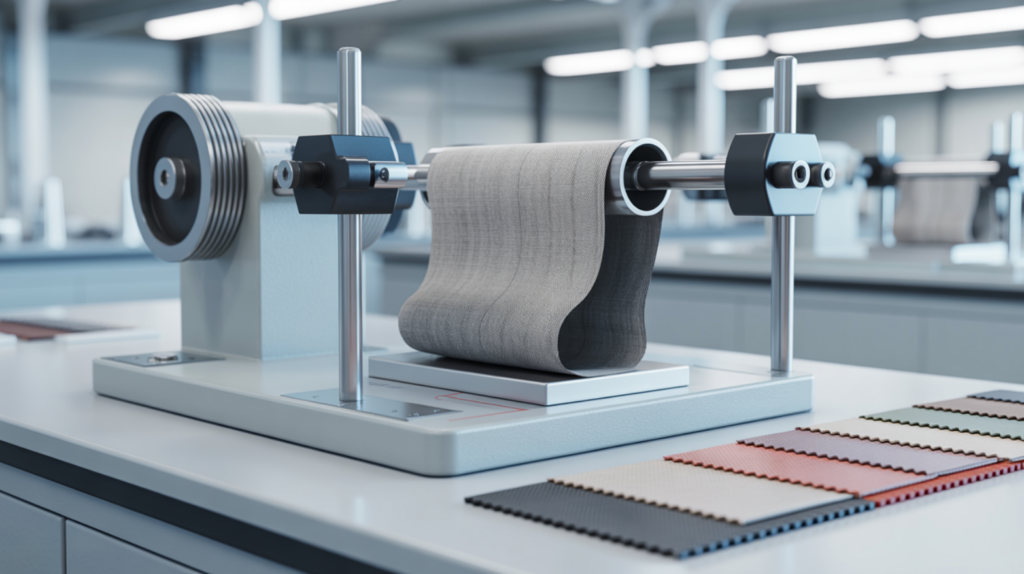
Snag resistance is one of the most important qualities examined in this process.
Why Testing Matters
Without testing, durability claims would be little more than guesses. Snag resistance testing transforms surface behavior into measurable information. By recreating the types of contact fabrics encounter every day, these tests expose weaknesses long before consumers do.
This allows manufacturers to refine designs, adjust constructions, and select fibers that create stable, long-lasting surfaces.
What Happens During Snag Testing
In controlled environments, fabrics are exposed to mechanical contact that mimics everyday hazards. Hooks, pins, abrasive materials, and textured surfaces interact with the fabric under precise conditions. After repeated contact, specialists examine the surface for pulled threads, loops, and distortions.
The less visible disruption appears, the higher the fabric’s resistance score.
This process reveals why some materials remain calm while others quickly show wear, especially when compared with materials that naturally invite surface damage.
How Test Results Guide Fabric Design
Once weaknesses appear, designers adjust the fabric’s structure. They may tighten the weave, modify yarn thickness, or blend fibers to improve cooperation between threads. Each change influences how stress distributes across the surface.
This continuous refinement explains why newer fabrics often outperform older ones, even when they appear similar to the eye.
Understanding these design choices becomes easier when one knows what snag resistance truly represents inside the fabric, where performance emerges from structure rather than appearance.
Real-World Impact of Testing
Testing does more than improve numbers on a chart. It protects consumers from frustration. When a garment resists snagging through years of wear, it quietly honors the effort that went into its design. When upholstery remains smooth under constant use, it reflects the unseen work of careful testing.
Closing Perspective
Fabric snag resistance is not an accident of luck. It is the result of deliberate examination, patient adjustment, and thoughtful design. Each successful test brings the fabric one step closer to withstanding the demands of real life.