
Snag-resistant fabrics are materials designed to reduce the risk of threads being pulled, looped, or caught during everyday wear. While no fabric is completely snag-proof, some constructions and fibers perform far better than others when exposed to friction, sharp edges, or repeated contact.
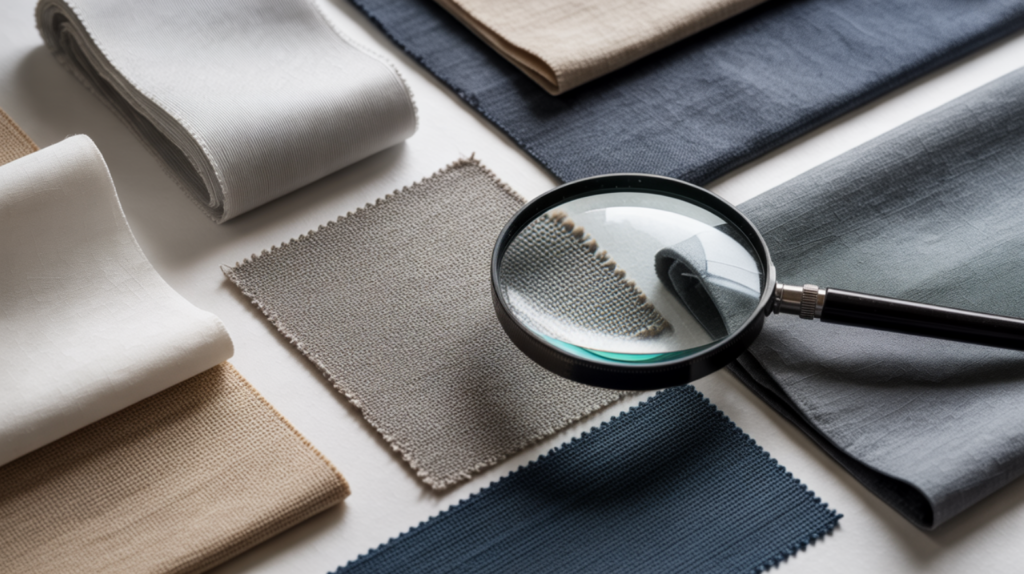
Understanding snag resistance helps you choose better fabrics, avoid premature damage, and reduce the need for frequent repairs.
This guide explains what snag-resistant really means, how it’s measured, which fabrics perform best, and how it differs from other durability terms.
What Does “Snag-Resistant” Mean in Fabric?
A fabric is considered snag-resistant when its surface structure and fiber composition limit how easily threads are pulled out of place.
Snagging typically occurs when:
- loose yarns are exposed on the surface,
- fibers are long and smooth,
- or the weave allows movement under tension.
Snag-resistant fabrics reduce this risk by using:
- tighter weaves or knits,
- shorter, more stable fibers,
- or surface finishes that resist catching.
This does not mean the fabric cannot snag, it means the likelihood and severity are reduced under normal use.
How Fabric Snag Resistance Is Tested
Manufacturers don’t guess snag resistance, it’s tested.
The most common lab methods simulate real-world damage by:
- dragging hooks, pins, or abrasive surfaces across fabric,
- rotating fabrics against rough materials,
- and measuring visible thread displacement.
Higher snag-resistance scores indicate:
- fewer pulled loops,
- less surface distortion,
- and better recovery after contact.
These tests explain why two fabrics that look similar can behave very differently in daily wear.
Snag-Resistant vs Snag-Prone Fabrics
Some fabrics naturally resist snags, while others are structurally vulnerable.
Common snag-resistant fabric traits:
- tightly woven constructions
- low surface texture
- compact yarns
- blended fibers designed for stability
Common snag-prone fabric traits:
- loose knits
- long floating yarns
- delicate filaments
- decorative weaves
This is why certain materials snag almost immediately, while others last for years under the same conditions.
Snag-Resistant Fabric vs Pilling-Resistant Fabric
These terms are often confused, but they describe different problems.
- Snag resistance focuses on pulled threads and loops.
- Pilling resistance focuses on small fiber balls forming on the surface.
A fabric can:
- resist pilling but snag easily,
- or resist snagging but still pill over time.
Understanding the difference helps avoid choosing the wrong fabric for the wrong problem.
Snag-Resistant Fabric vs Tear-Resistant Fabric
Snagging and tearing are not the same type of damage.
- Snagging pulls individual threads out of position.
- Tearing breaks the fabric structure entirely.
Tear-resistant fabrics are built for strength under force, while snag-resistant fabrics are built for surface stability. Some materials perform well in both areas, but many do not.
Snag-Resistant Fabric vs Abrasion-Resistant Fabric
Abrasion resistance measures how well fabric handles repeated rubbing.
Snag resistance measures how well it handles sudden catching or hooking.
A fabric used in upholstery or workwear often needs both, but they are tested and engineered differently. This is why abrasion-resistant fabrics may still snag on sharp edges.
Best Snag-Resistant Fabrics for Clothing
In everyday clothing, snag resistance matters most in:
- sleeves,
- hems,
- activewear,
- and frequently washed garments.
Fabrics that typically perform better include:
- tightly woven synthetics,
- stable blends,
- and smooth, compact knits.
Fabric choice plays a bigger role than thickness, a thin but tightly constructed fabric can outperform a thick, loose one.
Best Snag-Resistant Fabrics for Upholstery
Furniture fabrics face constant friction and contact.
Snag-resistant upholstery fabrics usually feature:
- dense weaves,
- reinforced yarns,
- and tested surface durability.
This is especially important in homes with pets, textured clothing, or frequent use.
Can Snag Resistance Be Improved?
Even snag-prone fabrics can be protected.
Snag resistance improves with:
- correct washing methods,
- reduced friction during wear,
- avoiding sharp accessories,
- and proper storage.
While fabric structure can’t be changed, damage risk can be reduced significantly with good care practices.
Are Snag-Resistant Fabrics Worth It?
For high-use clothing, upholstery, and frequently washed items, snag-resistant fabrics are usually worth the investment.
They:
- maintain appearance longer,
- require fewer repairs,
- and reduce visible wear.
For delicate or decorative items, aesthetics may outweigh durability, but knowing the trade-off helps set realistic expectations.
How This Connects to Fabric Snagging
Snag-resistant fabrics are the prevention side of fabric snagging.
Understanding why snags happen, how they form, and how they’re repaired helps you:
- choose better materials,
- recognize fabric limitations,
- and extend the life of your clothing and textiles.
This Pillar connects directly to guides on fabric snagging causes, repair methods, and fabric-specific behavior across your site.
Explore Snag-Resistant Fabrics in Depth
This guide is supported by detailed articles covering every major aspect of snag resistance:
- What Does Snag-Resistant Mean in Fabric?
- Snag-Resistant vs Pilling-Resistant Fabric
- Snag-Resistant vs Tear-Resistant Fabric
- Snag-Resistant vs Abrasion-Resistant Fabric
- Best Snag-Resistant Fabrics for Clothing
- Best Snag-Resistant Fabrics for Upholstery
- How Fabric Snag Resistance Is Tested
- How to Improve Fabric Snag Resistance
- Snag-Prone Fabrics: Which Materials Snag the Most
- Are Snag-Resistant Fabrics Worth It?
Final Takeaway
Snag-resistant fabrics don’t eliminate damage, they reduce vulnerability.
When you understand fabric structure, testing, and comparisons, you stop guessing and start choosing materials that match your real-world needs.
That knowledge alone prevents most fabric frustration before it starts.