
Fabric snagging can make even new clothes look worn, damaged, and unusable, but the good news is that most fabric snags are fully repairable if handled correctly. This guide explains how snags form, how to fix them safely, how to restore the fabric’s appearance, and how to prevent future damage, with step-by-step methods you can use at home.
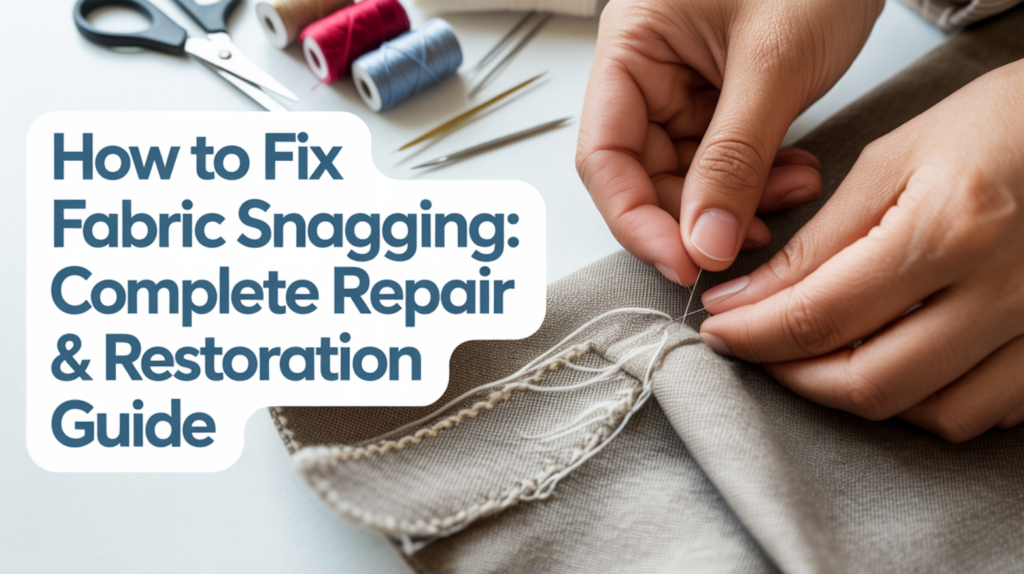
If you want the quickest method first, start with how to fix snagged fabric, then use the more specific guides below for sweaters, knits, and delicate materials.
Understanding What a Fabric Snag Really Is
A fabric snag occurs when a loose fiber or loop is pulled from the surface of the material. Unlike a tear or a hole, a snag usually does not break the fabric structure, the thread is simply displaced.
That’s why correct repair is often possible. If the fiber is cut instead of repositioned, the fabric weakens and future damage becomes more likely.
To understand why some items snag repeatedly, see why some clothes snag more than others and what causes fabric snagging in daily wear.
First Rule of Fixing Fabric Snags
The most important thing to remember is simple: never cut the snag. Cutting removes fiber tension and can make the area more likely to unravel or thin over time.
Instead, the goal is always to pull the fiber back into the fabric, not remove it.
How to Fix a Fabric Snag (Standard Method)
If you want the full detailed walk-through, use how to fix snagged fabric. Here’s the standard method in a clean, safe sequence:
Step 1: Flatten the Area
Lay the fabric on a smooth surface and gently flatten the snagged section with your fingers.
Step 2: Pull the Snag to the Back
Use a fine needle, pin, or snag repair tool. Insert it through the fabric near the snag and gently pull the loose fiber to the reverse side. If the snag is in a shirt, dress, or daily-wear garment, follow how to repair snags in clothing for the safest approach.
Step 3: Redistribute the Fiber
Lightly rub the area between your fingers or with a soft cloth. This helps the thread settle back into the weave and reduces the visible mark.
Step 4: Smooth the Fabric
After the snag is pulled through, the surface may still look uneven. That is where <a href=”/best-fabric-shavers-for-snagged-clothes/”>fabric shavers</a> and gentle finishing tools can help, as long as you never shave the snag thread itself.
How to Fix Snags in Delicate Fabrics
Silk, chiffon, satin, and fine synthetics can snag instantly and hold visible marks. In these cases, you want minimal tension and maximum control. Start with how to fix snagged fabric, then apply a delicate approach similar to what we cover in why chiffon and silk snag instantly.
Key points:
- Use a very fine needle
- Pull gently from near the snag (not from the end of the snag thread)
- Avoid stretching the fabric while repairing
How to Fix Snagged Sweaters & Knit Fabrics
Knits and sweaters snag differently because the fabric is made of loops. A single pull can distort several loops at once, which is why sweaters often need a slightly different method.
If this is your situation, go straight to how to fix snagged sweaters and how to fix snags in knit fabric.
You can also understand why this happens in the first place by reading why knit fabrics snag so easily and why wool and sweaters snag more.
Should You Use Tools, Shavers, or Sweater Combs?
Tools can help, but only when used correctly.
If you want to choose tools safely, see:
- best tools for removing fabric snags
- best fabric shavers for snagged clothes
- best sweater combs for snags
These guides will help you avoid the most common mistake: using the wrong tool for the fabric type and accidentally making the snag worse.
Can Fabric Snags Become Worse Over Time?
Yes. Untreated snags can catch friction and turn into larger pulls, pilling, or thinning areas. If you’re unsure whether you should repair it immediately, read are fabric snags permanent or repairable and how fabric snags form over time.
Repair & Prevention After You Fix a Snag
After you repair a snag, preventing a repeat snag matters just as much as the repair.
The most practical prevention steps include:
- using a laundry bag (see best laundry bags to prevent fabric snagging)
- avoiding high-friction drying (see can dryers make fabric snagging worse)
- washing delicates correctly (see how washing clothes incorrectly causes snags and should you wash delicate fabrics separately)
If you want a broader explanation of prevention patterns, revisit why fabric snagging happens and understanding fabric snagging.
Final Thoughts
Fabric snags are frustrating, but they are not the end of a garment. With the right technique, most snags can be repaired and often become much less visible.
If you want to start with one page first, begin with how to fix snagged fabric, then use the targeted guides for clothing repairs, knitwear, and the best tools to finish the job cleanly.